Global Warming May Affect Winters
 A new report about impacts the apparently changing climate may have on Colorado came out July 23, 2008, from the University of Maryland’s Center for Integrative Environmental Research.
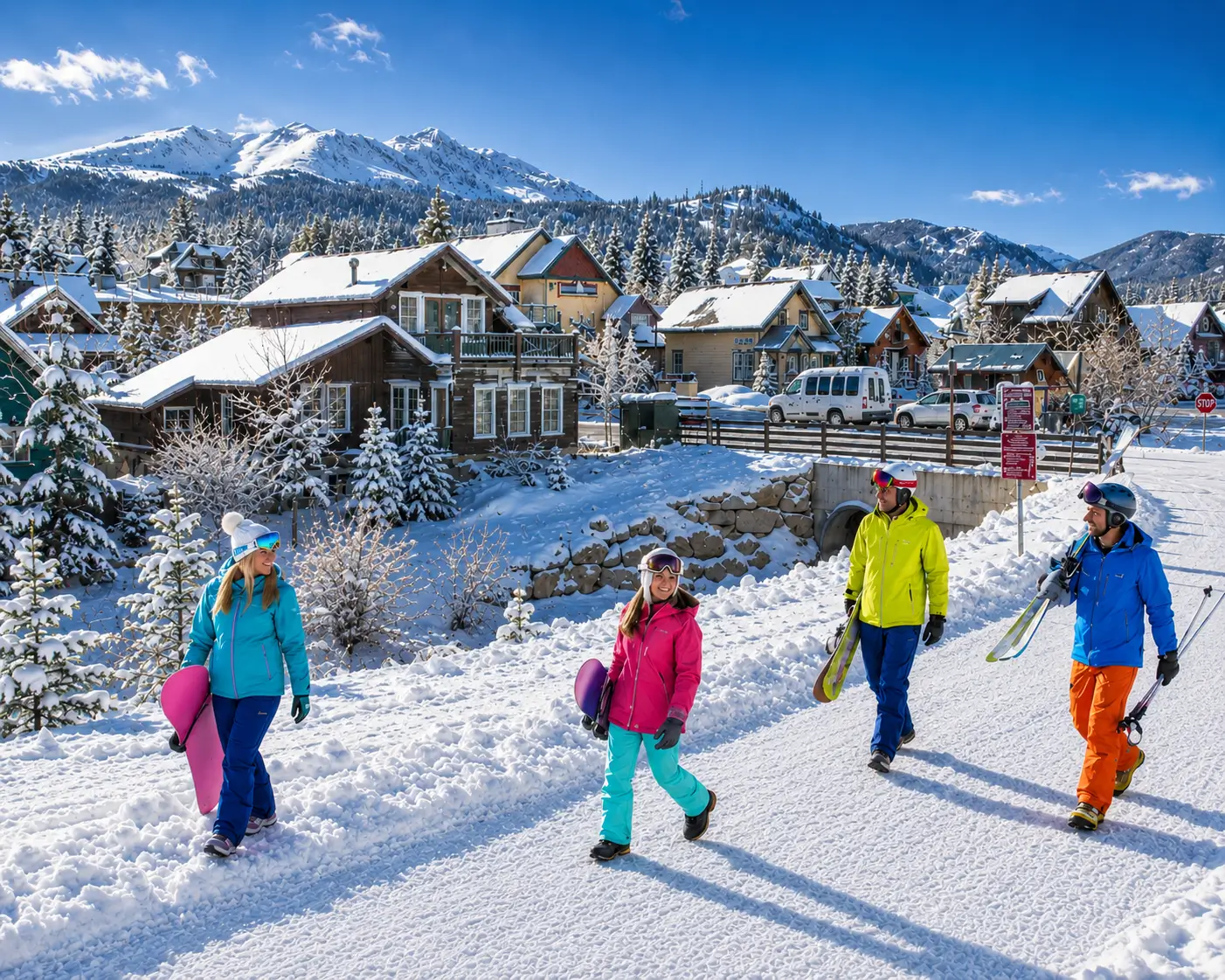
A major concern for resort towns in Colorado, including Summit County, is the warming effect of the climate on skiing, and thus tourism. Colorado is the biggest ski state in the nation. In 2007, skiing created $1.92 billion statewide.
If greenhouse emissions continue at the current rate, the winter season could shorten by 30 days, and most ski resorts rely on 100-105 days of running the lifts to see a profit of about 7%. The study also showed snowpack in Summit County could decrease by half by 2085, and at Vail, it would decrease by 57%.
If tourism decreases by 1% a year, Colorado would see a loss of more than $375 million by 2017, resulting in 4,500 lost jobs.
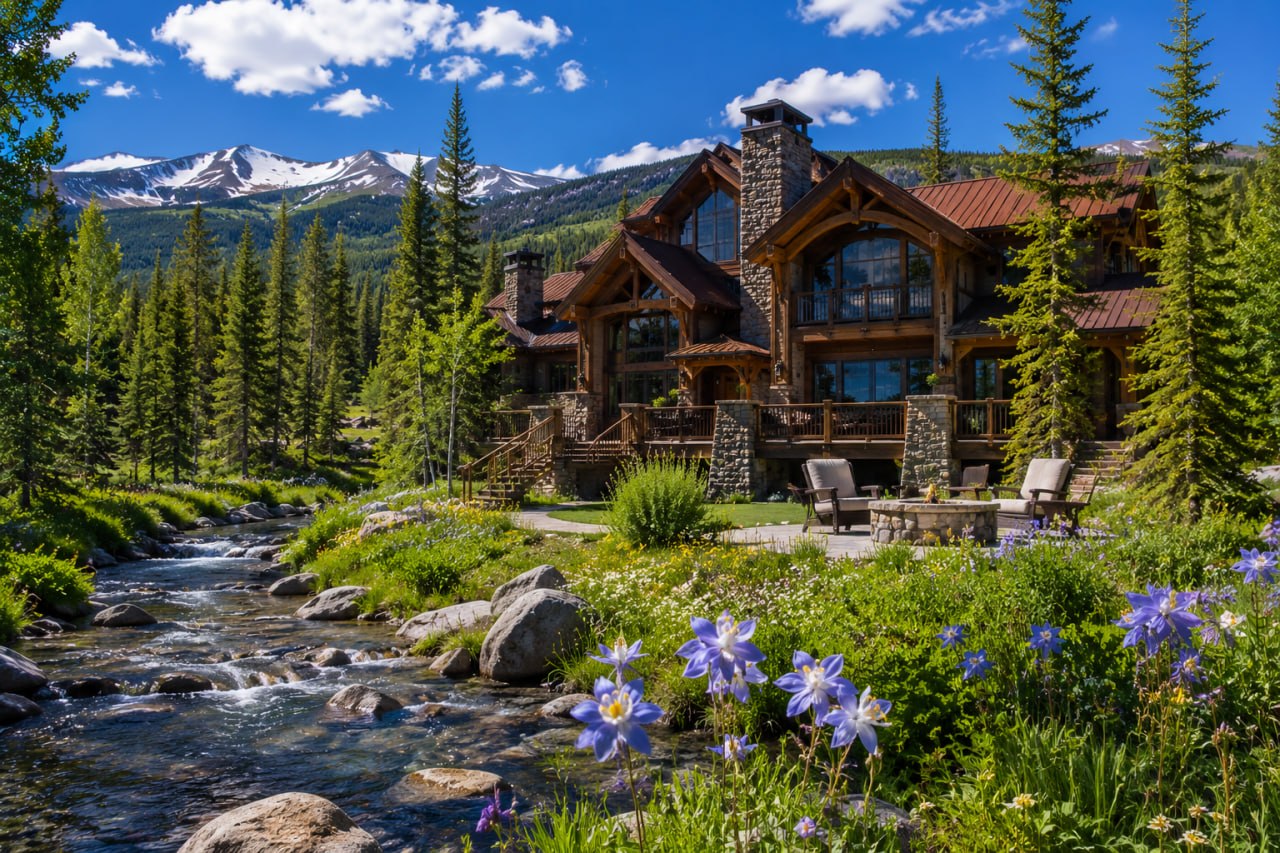
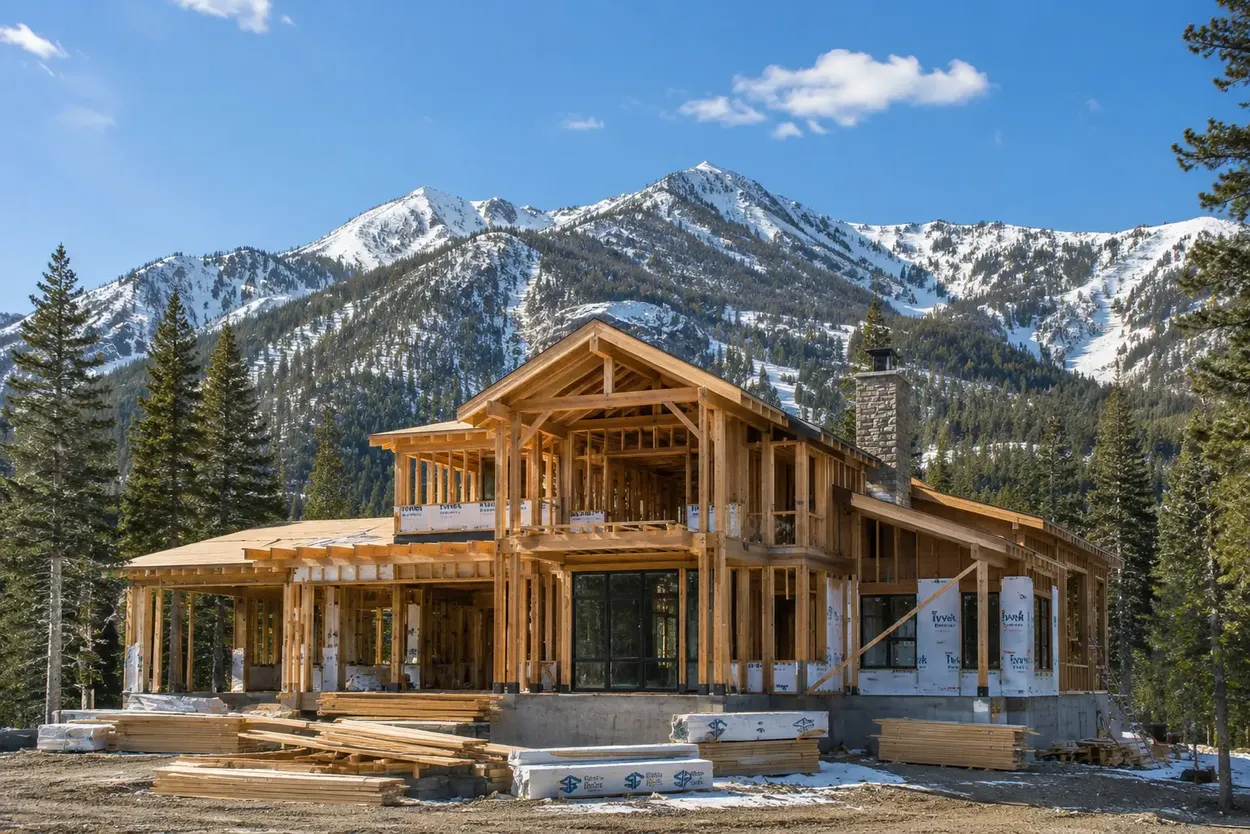
Tourism also affects Summit County real estate service . The study suggests that property values may decrease as winter recreation opportunities decline. However, non-winter activities like rafting, camping, hiking and biking may do better and draw more tourists with a longer warm season.
Environmentally speaking, there could be more avalanches and mudslides due to more rain, and the trees may be more vulnerable to pests and diseases due to a warmer climate. Bears could move northward and the population of trout could decrease, which would affect the fishing industry. Deer and moose would probably thrive in the warmer climate.