2010 Summit County Real Estate Sales Statistic
There are many positive indicators in the economy, both nationally and locally, which will drive a strong 2011

Summit County Real Estate
Breckenridge Real Estate
Keystone Real Estate
Frisco Real Estate
Dillon Real Estate
Silverthome Real Estate
Copper Mountain Real Estate
Ski in ski out property
Lake river creek property
Golf course property
New construction
Luxury properties

This new townhome is a great investment, rental or vacation/second home. It has 4 master suites, spacious living area with gas fireplace, oversized one car garage. All finishes are gorgeous. The townhome is conveniently located in the middle of all ski resorts and on free Summit Stage bus route
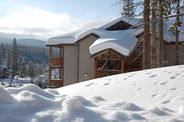
Our spacious townhome will be a great place for your mountain vacations and getaways! It features 2,100 sq feet, 4 bedrooms, 4.5 baths, 1 car oversized garage, 2 extra parking spots right next to the unit, washer and dryer

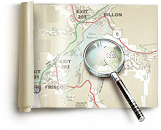
will give you an opportunity to view all available Summit County, Breckenridge real estate listings on the interactive map.
There are many positive indicators in the economy, both nationally and locally, which will drive a strong 2011
There are many positive indicators in the economy, both nationally and locally, which will drive a strong 2011
There are many positive indicators in the economy, both nationally and locally, which will drive a strong 2011
There are many positive indicators in the economy, both nationally and locally, which will drive a strong 2011
There are many positive indicators in the economy, both nationally and locally, which will drive a strong 2011
Breckenridge Colorado real estate is some of the most desirable in the world, and I am here to help you simplify the process of buying your next Breckenridge property. I am an expert in all aspects of Summit County real estate - from Breckenridge real estate to Keystone real estate, as well as Frisco, Copper Mountain real estate, Dillon and Silverthorne properties. Complete dedication to my clients' best interests allows me to find an ideal Colorado Mountain home for every customer, regardless of criteria


Anytime is a good time to buy property in Summit County. However, most Breckenridge real estate mis rental properties are vacant during the shoulder seasons between mid-April and early June, or late September to late November, so it's usually easier to get in to see the properties then. Plus, off-season is a great time to visit Summit County CO because many local restaurants offer 2-for-1 specials, stores give discounts and property management companies provide good deals on lodging to spruce up business.
Ask your question